
1. Introduction: The New Era of Rehabilitation
In recent years, rehabilitation and physical therapy have entered a period of remarkable technological transformation. Traditional recovery methods — once defined by manual therapy, elastic bands, and mechanical reformers — are now being reshaped by smart technology, data tracking, and AI-driven precision systems.
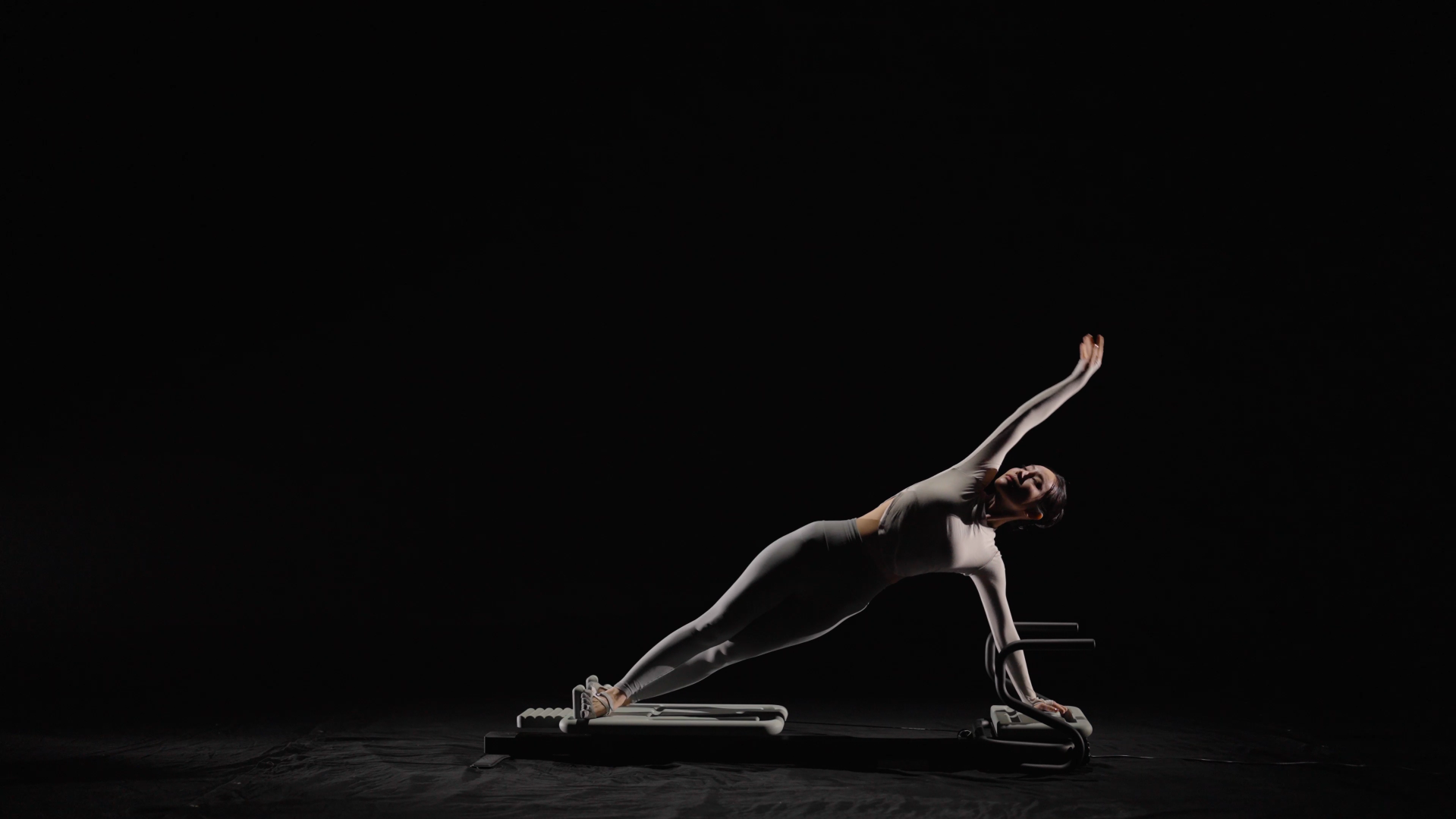
At the center of this revolution stands a new generation of equipment: the Smart Pilates Reformer.
Unlike traditional reformers that rely solely on springs or mechanical tension, a Smart Reformer utilizes servo motor–driven electronic resistance. This allows therapists to control and measure resistance with unparalleled precision, adjusting it to the user’s progress in real time.
In the context of modern rehabilitation, this precision matters more than ever. Patients recovering from injuries, surgeries, or neurological conditions need controlled, consistent, and measurable movement patterns. And for clinics, the ability to deliver quantifiable progress data not only enhances patient outcomes but also strengthens professional credibility and operational efficiency.
The Roulistic Smart Reformer by Jusai was designed specifically with this intersection in mind — where fitness meets recovery, and where data meets human healing.
2. Why Pilates Is Ideal for Rehabilitation
Pilates has long been recognized as one of the most effective low-impact training systems for rehabilitation. Originally developed by Joseph Pilates for hospital patients and injured soldiers during World War I, its focus on controlled movement, breath, and body alignment made it a natural fit for physical therapy applications.
2.1 The Science Behind Pilates for Recovery
Unlike high-intensity workouts that stress the joints and muscles, Pilates emphasizes neuromuscular control — the ability to consciously engage and coordinate muscles. This is critical for injury recovery, especially after surgeries or in chronic pain management, where patients must relearn movement efficiency and postural awareness.
Core strength, flexibility, and joint stability form the triad of recovery foundations. Pilates effectively targets all three, allowing patients to rebuild strength gradually while maintaining alignment and control.
2.2 Key Rehabilitation Benefits of Pilates
-
Low-impact yet full-body training: Protects joints and minimizes risk of re-injury.
-
Restores mobility: Gentle resistance supports range-of-motion improvement.
-
Enhances proprioception: Patients regain awareness of limb position and body balance.
-
Improves posture and core activation: Supports spinal health and functional movement patterns.
Pilates acts as a bridge between passive therapy and active rehabilitation — allowing patients to safely transition from recovery to functional strength.
3. The Limitation of Traditional Reformers in Therapy
While traditional Pilates reformers have served fitness studios and clinics well for decades, they have inherent limitations when applied to clinical rehabilitation.
3.1 Lack of Precision Control
Mechanical springs provide variable tension but not precise measurement. The same spring can feel entirely different depending on how far it is stretched, making it impossible to standardize resistance between patients or sessions.
3.2 Absence of Data and Feedback
Therapists must rely on visual observation and patient feedback — “Does this feel heavy?” — rather than real-time quantitative data. This subjectivity limits how progress is tracked and documented.
3.3 Safety Concerns for Vulnerable Users
Patients recovering from surgeries, especially those with joint replacements or neurological conditions, require a smooth, consistent force curve. Traditional springs can “snap” or create sudden tension jumps, posing safety risks during sensitive movements.
3.4 Limited Adaptability
Each patient’s recovery journey is unique. However, traditional equipment often forces therapists to manually change springs or accessories, interrupting the training flow and reducing efficiency during busy clinic hours.
For clinics aiming to modernize, these challenges make the case clear: it’s time for a smarter approach to movement therapy.
4. Smart Reformers: Intelligent Resistance for Safer Recovery
Smart Reformers, led by innovations like the Roulistic Smart Reformer, introduce a new standard for rehabilitation: intelligent, data-driven, and patient-specific.
4.1 The Technology Behind Intelligent Resistance
At the heart of the system is a servo motor–powered resistance unit that replaces traditional springs. This motor allows digital control over resistance levels — measured in precise increments — and can dynamically adapt to a user’s performance in real time.
Therapists can:
-
Program customized resistance curves to match the phase of recovery.
-
Smoothly adjust resistance from ultra-light (ideal for post-surgery rehab) to advanced levels for athletic retraining.
-
Ensure consistent load throughout the movement, eliminating “dead spots” or jerky motion.
This precision not only improves the safety of rehabilitation sessions but also enables data-based progress tracking.
4.2 Safer, Smarter, and More Adaptive
The adaptive motor control ensures patients never face excessive resistance or fatigue. When the system detects irregular motion or reduced strength output, resistance is automatically reduced to protect the user.
Smart Reformers transform rehabilitation from an art into a science — maintaining the human touch while adding the power of precision technology.
5. Case Scenarios: How Clinics Use Smart Reformers
Let’s explore how physical therapy centers and rehabilitation clinics are already integrating smart reformers into their programs.
5.1 Post-Surgery Rehabilitation
Following knee, hip, or shoulder surgery, patients face the dual challenge of regaining strength while avoiding strain.
This allows progressive loading with zero risk of sudden force spikes, ensuring safety and steady recovery.
5.2 Chronic Pain and Spine Recovery
Chronic back pain, scoliosis, or herniated discs often require precise, low-impact exercises to retrain posture and strengthen stabilizing muscles.
5.3 Elderly Mobility and Balance Training
Senior patients often fear falling or overexertion during therapy.
Smart Reformers provide gentle assistance with variable resistance, allowing older users to move safely while building confidence and functional strength.
6. Benefits for Therapists and Clinics
The advantages of Smart Reformers extend beyond the patient — they redefine how therapists and clinics operate.
6.1 For Clinics
-
Efficiency: Digital controls allow faster setup and smoother patient transitions.
-
Professional Differentiation: Offering advanced equipment positions your clinic as a modern, tech-forward facility.
-
Long-Term ROI: The durable, low-maintenance motorized design reduces replacement costs and supports premium service pricing.
6.2 For Therapists
-
Precision and Consistency: Eliminate guesswork; replicate resistance settings across sessions.
-
Enhanced Safety: Real-time feedback ensures patient safety during delicate rehab stages.
-
Reduced Physical Strain: Less manual adjustment means therapists can focus on guidance, not setup.
-
Empowered Decision-Making: Objective data supports better treatment customization.
7. The Future of Digital Rehabilitation
We are witnessing the convergence of AI, IoT, and biomechanics in the rehabilitation field. Smart equipment is now capable of learning from each patient’s progress, predicting recovery trends, and even adapting resistance patterns autonomously.
The Smart Pilates Reformer serves as an entry point into this digital ecosystem — integrating the core principles of Pilates with the intelligence of modern rehabilitation technology.
As patient expectations evolve, so too must the tools we use. Clinics that adopt intelligent systems today will lead tomorrow’s rehabilitation standards — offering precision, personalization, and data-driven care.
8. Where Technology Meets Healing
The Roulistic Smart Reformer represents more than an upgrade to the traditional Pilates reformer.
It’s a bridge — between fitness and therapy, between data and intuition, and between the therapist’s expertise and the patient’s recovery journey.
By combining intelligent resistance, and adaptive safety, it empowers clinics and therapists to deliver the next level of care: precise, personalized, and profoundly effective.
Smart rehabilitation begins with smart equipment.
If your clinic, studio, or wellness center is ready to embrace the future of movement therapy, explore how the Roulistic Smart Reformer can redefine your rehabilitation programs.
👉 Contact Jusai Pilates today to learn more about our business partnership opportunities.