
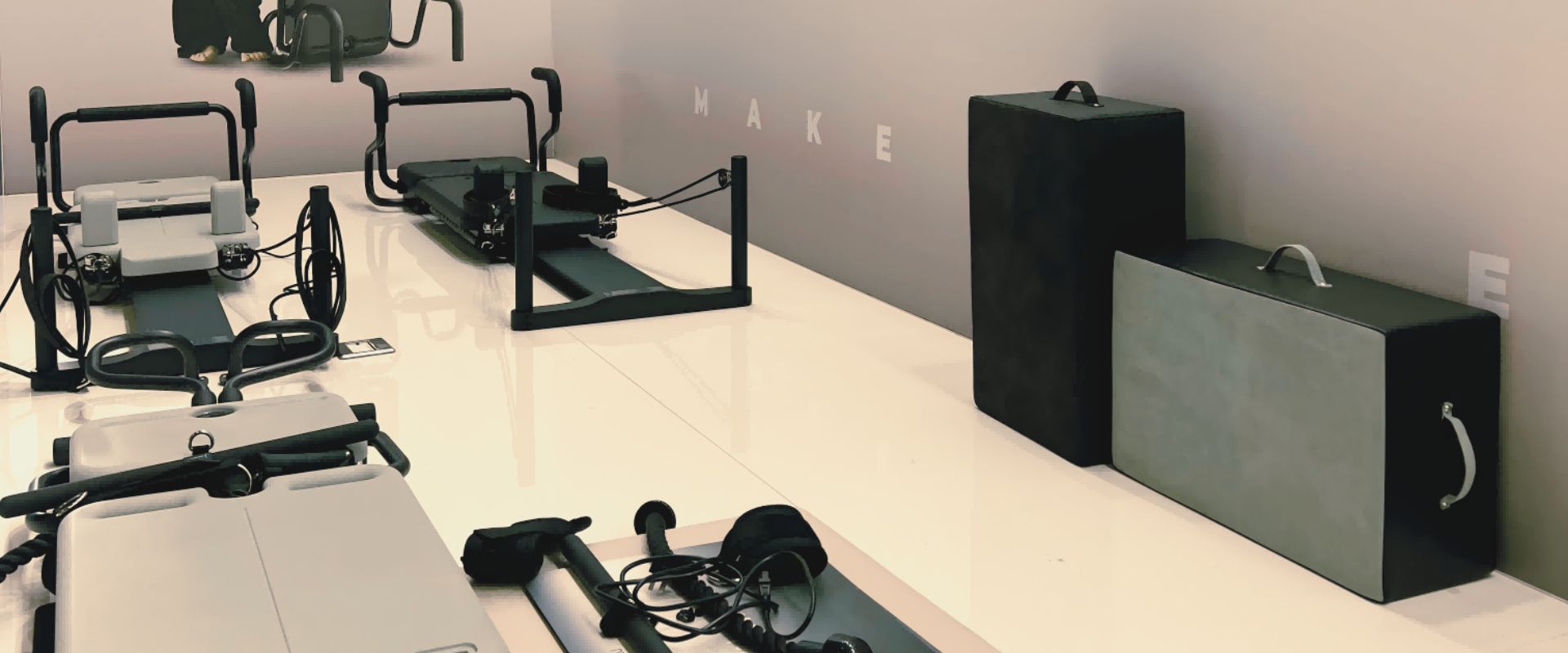
Why the Right Pilates Reformer Matters
The Pilates reformer has been the centerpiece of professional Pilates studios for decades. Its sliding carriage, resistance system, and versatility in exercise variations make it one of the most effective and adaptable pieces of equipment in the wellness industry.
But as the fitness and rehabilitation landscape evolves, studios and training centers are beginning to ask an important question: Should we stick with traditional reformers, or is it time to embrace the new era of smart reformers?
In this article, we’ll compare traditional reformers and smart reformers powered by electronic resistance and digital integration, highlighting the advantages, limitations, and return on investment each option provides. By the end, you’ll have a clear roadmap to decide which reformer is right for your studio, your clients, and your long-term growth strategy.
The Legacy of Traditional Pilates Reformers
The Classic Design
Traditional reformers are designed with metal or wooden frames, a sliding carriage, adjustable springs for resistance, a footbar, ropes, and pulleys. This design has remained largely unchanged for decades because it works.
-
Reliability: Springs offer a tactile, familiar resistance that Pilates instructors and clients trust.
-
Accessibility: Traditional reformers are available in a wide range of models and price points, from entry-level home units to professional studio machines.
-
Heritage: Many practitioners associate Pilates with Joseph Pilates’ original equipment, giving traditional reformers a sense of authenticity.
The Benefits of Staying Traditional
-
Lower upfront cost compared to smart reformers.
-
Widespread instructor familiarity—no learning curve.
-
Classic Pilates feel that resonates with long-time clients.
-
Easy maintenance—replacement springs are inexpensive.
The Limitations
However, traditional reformers also come with drawbacks:
-
Limited resistance control: Spring tension cannot be fine-tuned with the precision required in modern rehab or elite training.
-
No digital tracking: Clients can’t measure progress or track workouts over time.
-
Wear and tear: Springs stretch and wear out, leading to inconsistent resistance and ongoing maintenance costs.
-
Competitive disadvantage: As fitness tech advances, offering only traditional reformers may make a studio feel outdated.
The Rise of Smart Reformers
What Makes a Reformer “Smart”?
A smart Pilates reformer incorporates electronic resistance powered by servo motors, along with digital tracking and software integration. Instead of springs, resistance levels are controlled electronically, allowing for precision adjustments, pre-programmed settings, and data-driven workouts.
Smart reformers are often paired with apps to track metrics such as:
-
Resistance levels used
-
Duration of each exercise
-
Repetitions completed
-
Range of motion
-
Progress over time
The Key Advantages
-
Electronic Resistance
-
Smooth, consistent, and precise.
-
Resistance can be adjusted in micro-increments.
-
Eliminates spring fatigue and inconsistency.
-
-
Digital Tracking and Personalization
-
Clients see measurable progress.
-
Trainers can design tailored programs and monitor performance.
-
Rehab specialists can document recovery progress with objective data.
-
-
Future-Proof Technology
-
Matches broader industry trends toward connected fitness (Peloton, Mirror, Tonal).
-
Creates differentiation for studios in competitive markets.
-
-
Premium Client Experience
-
Modern, high-tech appeal that attracts younger, tech-savvy demographics.
-
High-end service positioning allows for premium pricing.
-
-
Low Maintenance
-
Servo motors and electronic systems are durable and require less frequent replacement than springs.
-
Smart vs Traditional: A Direct Comparison
| Feature | Traditional Reformers | Smart Reformers |
|---|---|---|
| Resistance System | Springs, mechanical tension | Electronic resistance via servo motor |
| Precision | Limited, incremental adjustments | Micro-level precision, programmable |
| User Feedback | None | Real-time data, performance tracking |
| Maintenance | Springs wear out, need replacement | Longer lifespan, minimal mechanical wear |
| Client Appeal | Classic Pilates feel | Innovative, high-tech, premium experience |
| Investment | Lower upfront cost | Higher upfront, greater ROI potential |
| Differentiation | Common, standard equipment | Unique, positions studio as cutting-edge |
Who Should Choose a Traditional Reformer?
While smart reformers are compelling, there are scenarios where traditional reformers remain a solid choice:
-
Start-up studios with limited budgets. Traditional reformers are more affordable for entry-level setups.
-
Studios focusing on Pilates fundamentals. If your client base values the “classic” Pilates method, traditional machines may be more familiar.
-
Supplementary equipment. Some studios use a mix—traditional reformers for group classes and smart reformers for personal training or rehab clients.
Who Should Choose a Smart Reformer?
Smart reformers are particularly valuable for:
-
High-end Pilates studios that want to differentiate and attract premium clientele.
-
Rehabilitation centers that require precise, programmable resistance for gradual recovery.
-
Fitness clubs and chains looking to integrate digital fitness into their offerings.
-
Investors and distributors who see the global trend toward connected fitness.
The Business Case for Smart Reformers
Higher Client Retention
When clients see measurable progress through data tracking, they are more likely to stay loyal to your studio.
Premium Pricing Opportunities
Smart reformers enable studios to offer personalized training packages at higher rates.
Competitive Differentiation
In saturated markets, smart reformers help studios stand out from competitors still relying on traditional setups.
Lower Long-Term Costs
While the upfront investment is higher, reduced maintenance costs and increased client retention drive higher long-term ROI.
The Future of Pilates Equipment
The global fitness industry is moving toward smart, connected, and data-driven solutions. Just as treadmills, bikes, and strength machines have evolved, Pilates reformers are following the same path.
Studios that adopt smart reformers early will be positioned as leaders in innovation, while those relying solely on traditional reformers may struggle to keep up with client expectations.
Making the Right Choice
The decision between smart reformers vs traditional reformers depends on your studio’s goals, budget, and client base.
-
Traditional reformers remain a reliable, cost-effective option for smaller studios and classic Pilates programs.
-
Smart reformers, however, represent the future of Pilates, offering unmatched precision, data tracking, and premium client experiences.
👉 If your vision is to grow, attract high-end members, and future-proof your business, smart reformers are the right choice.